

The Books I Live By (And Why They're On This List)
I am not a casual reader. When a book makes this list, it is because it genuinely changed something: how I think, how I work, how I talk to people, how I make decisions. These are not books I finished and shelved and forgot about. These are books I quote to myself on difficult days and press into the hands of anyone who will hold still long enough to take them. Ten books. Here's what made the cut and why.
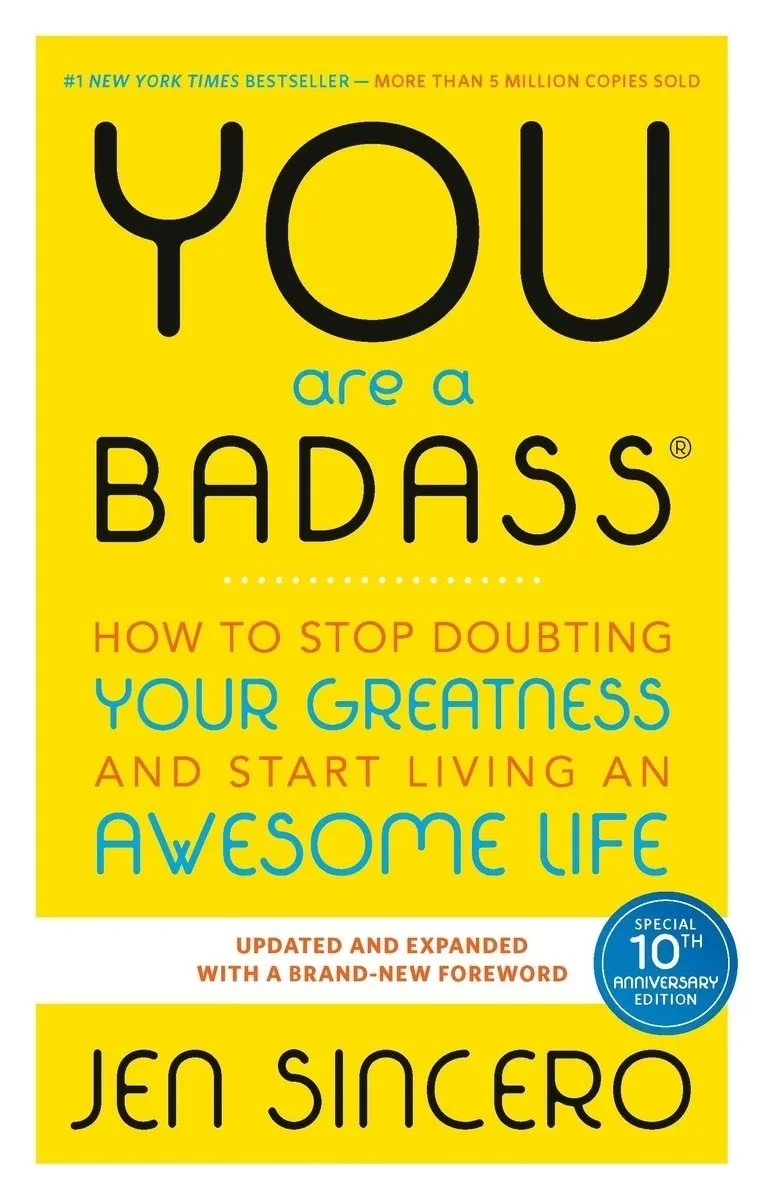
1. You Are a Badass — Jen Sincero
This book helped me get out of my own way, which, if you know me, you understand is no small achievement. Sincero writes about self-sabotage with the kind of directness that makes it very hard to keep lying to yourself by page three. The central argument is that most of what is holding you back is a story you invented and have been telling yourself on repeat. She is not wrong. The humor makes it go down easy. The truth of it hits later, usually around 2 a.m., when you are staring at the ceiling thinking about everything you have been avoiding. If you have been circling a decision for longer than six months, start here.
Best for: Anyone who knows exactly what they want and has spent considerable energy pretending they don't.
Buy: Kindle Unlimited for free reading with a Kindle Unlimited membership or in hardcover.
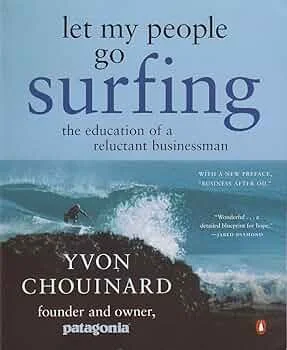
2. Let My People Go Surfing — Yvon Chouinard
I read this on a beach in Hawaii early in my corporate career, and it changed something in how I thought about managing people. Chouinard built Patagonia into one of the most respected companies on earth while being completely serious about the idea that work should not eat your entire life. The title is a business philosophy. If your people need to surf, let them surf. The work will get done, and they will do it better for having gone.
The way he thinks about building a company around values rather than around growth at any cost is the thing I carry with me every time I make a decision about Besté. It is also a genuinely beautiful book about loving the outdoors, which does not hurt.
Best for: Anyone building something and trying to figure out how to do it without becoming a person they would not particularly like.
Buy: Kindle and Paperback.
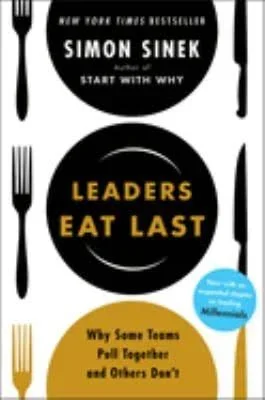
3. Leaders Eat Last — Simon Sinek
The best book I have read about what leadership actually is, which turns out to be almost nothing like what most corporate environments demonstrate. Sinek argues that great leaders create safety, and that when people feel genuinely safe, they do their best work and take care of each other. Reading this after years in corporate is a somewhat uncomfortable experience because you spend most of it cataloging the ways organizations you worked in got this spectacularly wrong. Also useful for anyone building a team of any size, including a team of two.
Best for: Anyone who manages people and has started to suspect there might be a better way.
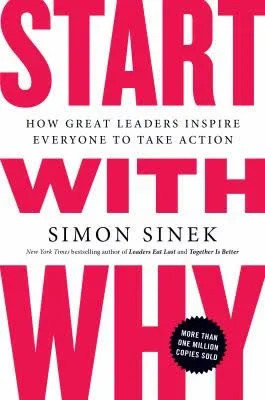
4. Start With Why — Simon Sinek
Yes, two Sinek books. You are welcome.
This one rewired how I think about communicating anything, a business, a blog, a service, an idea. People do not buy what you do. They buy why you do it. Most of us lead with the what because it feels safer and more concrete. The why requires you to actually know what you believe, which is harder and also the only thing that creates a real connection. I thought about this book constantly while building Besté and while building this site. If you can answer the why clearly and honestly, everything else becomes easier to explain to other people and to yourself.
Best for: Anyone building a brand or a business who wants to communicate in a way that actually resonates rather than just informs.
Buy: Paperback
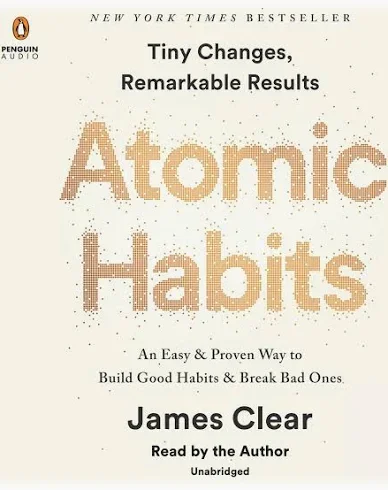
5. Atomic Habits — James Clear
The most practical book on this list, which also makes it one of the most important. The argument is simple: stop setting goals and start designing systems. The one percent better every day math, compounded over time, produces results that feel wildly disproportionate to the individual effort. The identity piece is what stuck with me most. You do not rise to the level of your goals. You fall to the level of your systems. I think about this approximately every day. I’ve worked HARD to try to create good habits and break habits that don’t serve me (including ketamine treatment), and this book always serves as my anchor.
Best for: Anyone trying to build new habits without relying on motivation, which, as we all know, is an unreliable houseguest.
Buy: Kindle & paperback
Note: While I just keep a notebook, a workbook companion to this book is also available.
6. The Subtle Art of Not Giving a F*ck — Mark Manson
More philosophical than the title suggests and significantly better than most self-help books deserve to be. The argument is not that you should stop caring about things. It is that you have a finite amount of caring available and most people spend it on the wrong things entirely. Choosing what actually deserves your energy, on purpose, rather than by default, turns out to be one of the more important decisions you can make. The chapter on responsibility versus fault is worth the price of the book by itself.
Best for: Anyone running on empty from caring too much about things that, upon reflection, do not actually matter to them.
Buy: Available for free on Kindle Unlimited or in paperback.
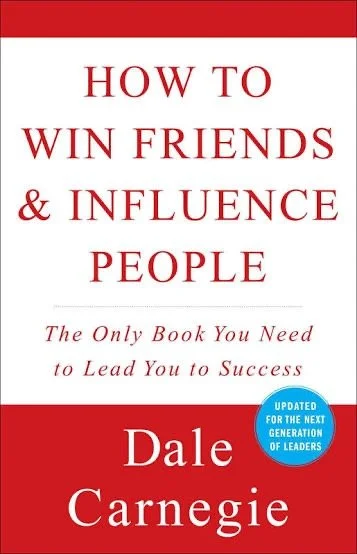
7. How to Win Friends and Influence People — Dale Carnegie
Published in 1936 and correct about everything. Carnegie's principles for making people feel genuinely seen and valued are not manipulation tactics. They are a description of what it looks like to be a person who is actually interested in other people, which in an era of performative networking and surface-level connection is rdical. I have read this more times than I can count, and I still find something useful every time.
Best for: Everyone. There is no professional or personal life that is not improved by this book. No exceptions.
Buy: Kindle or in paperback.
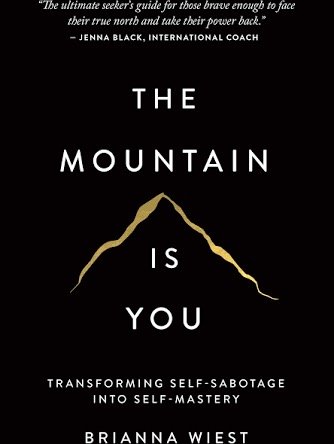
8. The Mountain Is You — Brianna Wiest
The self-sabotage book for people who have already read all the other self-sabotage books and thought they were fine. Wiest writes about the ways we unconsciously construct the exact obstacles we then exhaust ourselves struggling against. It stops feeling like generic self-help very quickly and starts feeling like someone describing your specific patterns back to you with uncomfortable accuracy. The central insight, that the mountain in your way is often something you built yourself, is both obvious and genuinely devastating.
Best for: Anyone who keeps ending up in the same situations and is finally ready to understand why.
Buy: Available for free on Kindle Unlimited or in paperback.
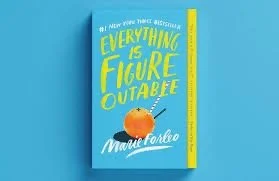
9. Everything Is Figureoutable — Marie Forleo
The most optimistic book on this list, and I mean that as a real compliment. The premise is exactly what the title says. Almost any problem or obstacle has a path through it if you are willing to look for one. Forleo is practical and warm and completely free of the kind of toxic positivity that makes most optimistic books unreadable. I read this during a particularly stuck moment in the early days of building Besté and it got me moving again. Sometimes that is all a book needs to do.
Best for: Anyone who is stuck and needs a framework for getting unstuck that does not require everything to be perfect first.
Buy: Kindle and Paperback.
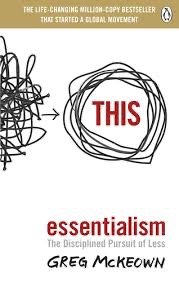
10. Essentialism — Greg McKeown
The book that gave me permission to stop doing everything. McKeown's argument is that the way to do better work and live a better life is not to do more but to do fewer things extraordinarily well. In a culture that treats busy as a status symbol, this book is quietly radical. The question it teaches you to ask, whether this is the most important use of your time right now, gets into your head and stays there. Pair this with Atomic Habits, and you will rearrange your entire life within a month. Fair warning.
Best for: Anyone doing too many things adequately who is ready to do fewer things really, really well.
Buy: Kindle and Paperback.
A Note on This List
These books did not all land at the same time or in the same way. Some I read years ago and still carry. Some I read in the middle of building something, and they changed the direction. All of them made me think differently, which is the only thing I ask of a book.
If you are in the middle of figuring out what comes next, start anywhere. There is no wrong choice.
